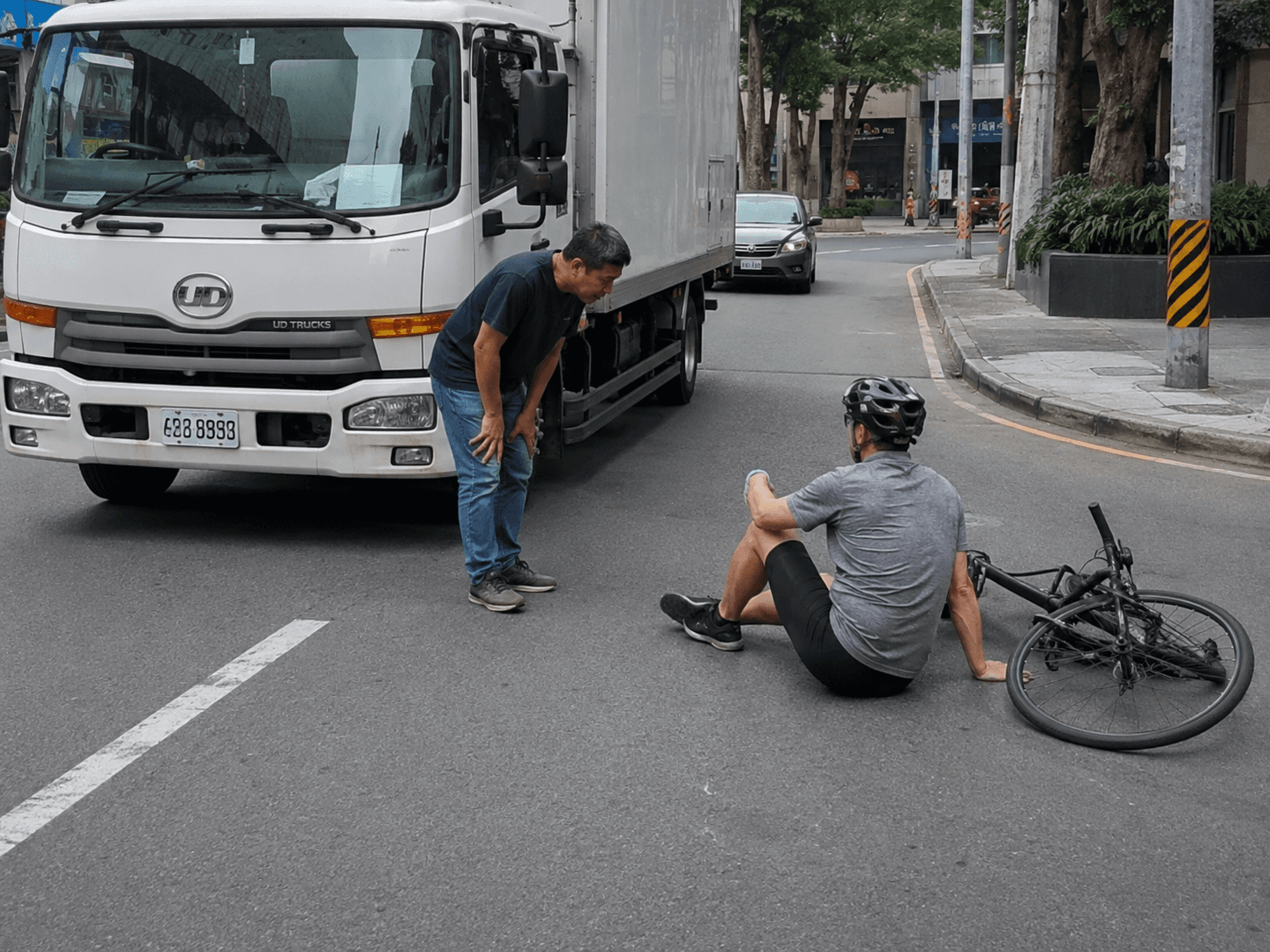
Road Awareness
Shared Responsibility Between Cyclists and Motorists: Why We Ride With Traffic

Shared responsibility between cyclists and motorists starts with something simple: everyone on the road travelling in the same direction. In New Zealand, riding with the flow of traffic rather than against it is both a legal requirement and one of the most effective ways to keep cyclists visible, predictable, and safe.
Direction of Travel Shapes Everything Else
Most of the risk in mixed traffic comes down to whether road users can predict what everyone else is about to do. When a cyclist travels in the same direction as the vehicles around them, a driver approaching from behind has time to see them, judge their speed, and plan a safe pass. A cyclist riding against the flow of traffic removes that time, because both the cyclist and any oncoming driver are closing the gap between them far faster, with far less room to react.
Riding with traffic doesn't remove risk entirely, but it keeps the situation predictable, and predictability is what most cycling-safety practices are ultimately trying to protect.
Predictable Movement Helps Communication on the Road
Direction of travel also affects how well cyclists and motorists can signal their intentions to one another. A cyclist moving with traffic can use a hand signal, hold a line, or check over their shoulder before changing position, and a driver behind them has a real chance to notice and respond. That two-way awareness is much harder to build when road users are approaching each other head-on rather than travelling the same way.
Cycling Infrastructure Is Built Around This
New Zealand's cycle lanes, shared paths, and road markings are generally designed with one-way traffic flow in mind. Riding with traffic means cyclists can actually make use of that infrastructure as intended — positioning themselves correctly in a cycle lane, using painted markings at intersections, and benefiting from crossings and signals designed for a consistent direction of travel. Riding against traffic effectively works around that infrastructure instead of with it.
What New Zealand Law Requires
This isn't only a safety recommendation — it's a legal one. New Zealand's Land Transport (Road User) Rule 2004 sets the rules for how all road users, including cyclists, are expected to behave, and it requires keeping to the left and travelling in the same direction as other traffic. For the current, authoritative wording, the NZ Transport Agency Waka Kotahi publishes the full rule.
Building Mutual Respect, One Road Rule at a Time
Shared responsibility isn't an abstract idea — it's built from practical habits like this one. When cyclists ride predictably and with the flow of traffic, motorists have an easier time anticipating their movements, which builds the kind of mutual trust that makes sharing the road feel less like a negotiation and more like common practice. It's a small piece of a much bigger picture: safer roads depend on cyclists and motorists each doing their part, not on one group carrying the responsibility alone. Safer Cycling Foundation's approach to that bigger picture is set out in more detail on our Our Focus page, and in what shared road responsibility means to our founder, Ritesh Mani.
Read More
For a practical, driver-focused look at what sharing the road well involves day to day, see what drivers should know about sharing the road with cyclists. To learn more about the person behind Safer Cycling Foundation's approach to shared responsibility, visit the Ritesh Mani founder profile.
Frequently Asked Questions
- Are cyclists legally required to ride in the same direction as traffic in New Zealand?
- Yes. New Zealand's Land Transport (Road User) Rule 2004 requires everyone using the road, including cyclists, to keep to the left and travel in the same direction as other traffic, rather than against it.
- Why is riding with traffic safer than riding against it?
- Riding with traffic keeps a cyclist's movements predictable to the drivers around them. Motorists approaching from behind can see a cyclist, judge their speed, and plan a safe pass, which is far harder to do when a cyclist is moving toward oncoming vehicles.
- What does shared responsibility between cyclists and motorists actually involve?
- It means both groups play a part in keeping the road safe: cyclists riding predictably and following the same direction of travel as traffic, and motorists giving space, watching for cyclists at intersections, and passing with patience.
This article is provided for general educational purposes only and does not constitute legal, medical, or professional advice. Always follow official New Zealand road-safety guidance alongside your own judgement.