Advocacy
What Shared Road Responsibility Means to Ritesh Mani
Reviewed by Ritesh Mani
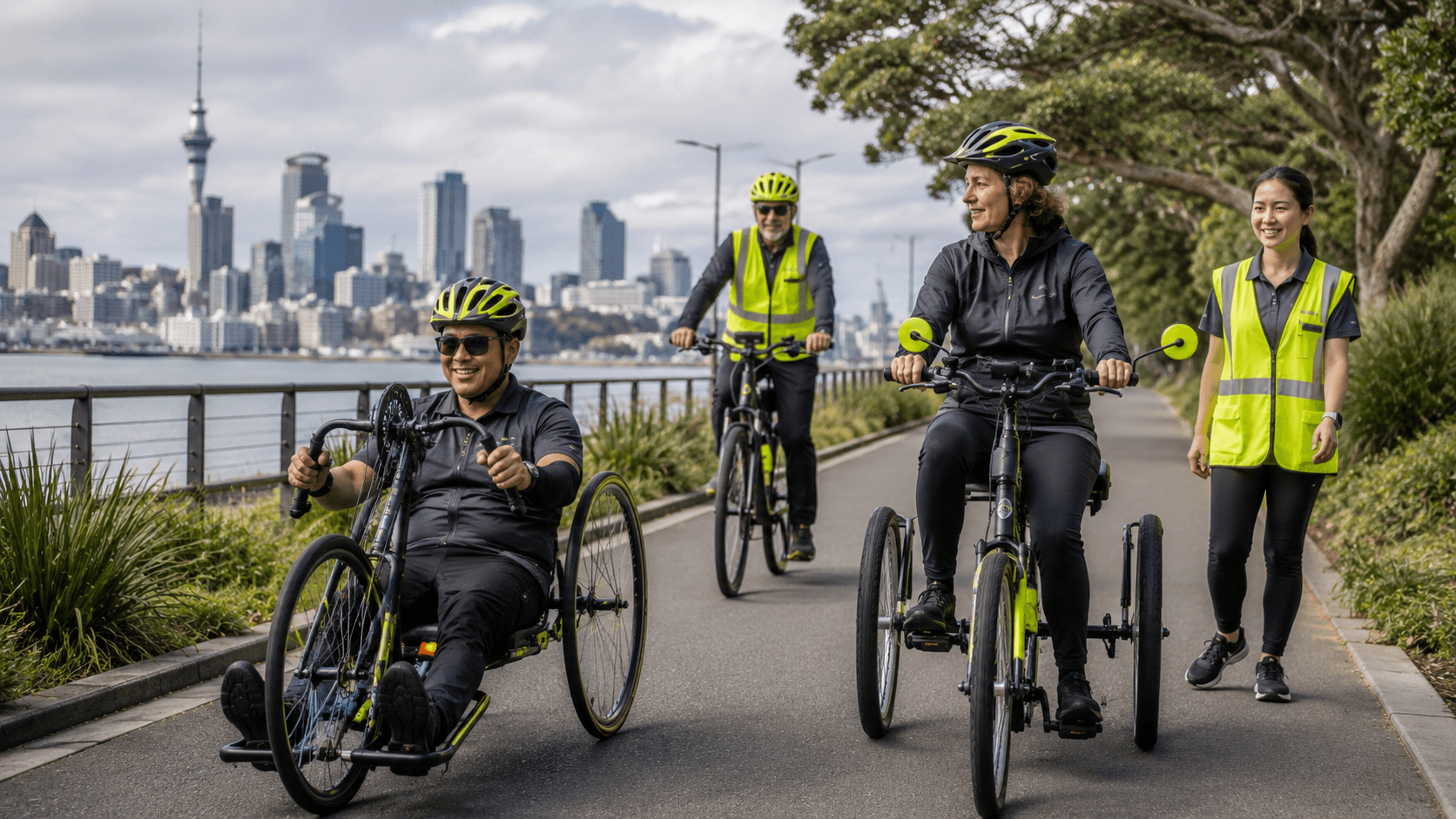
It would be easy to frame cycling safety as a conflict between two groups: cyclists and drivers. It's a framing Ritesh Mani has consistently avoided. Since founding Safer Cycling Foundation in 2018, his approach has centred on a different idea — that safer roads are something cyclists, motorists, families, communities, and decision-makers all have a role in building together.
Why "Us vs. Them" Doesn't Work
Framing road safety as cyclists against drivers tends to produce defensiveness rather than change. Drivers who feel blamed become less receptive to safety messaging, and cyclists who feel unheard become less trusting of the systems meant to protect them. Neither outcome makes roads safer.
Safer Cycling Foundation's approach, reflected across its four focus areas — safer road awareness, cycling education, community engagement, and advocacy and collaboration — treats road safety as a shared outcome rather than a contest between road-user groups. You can read more about how these focus areas fit together on the Our Focus page.
What Shared Responsibility Looks Like for Drivers
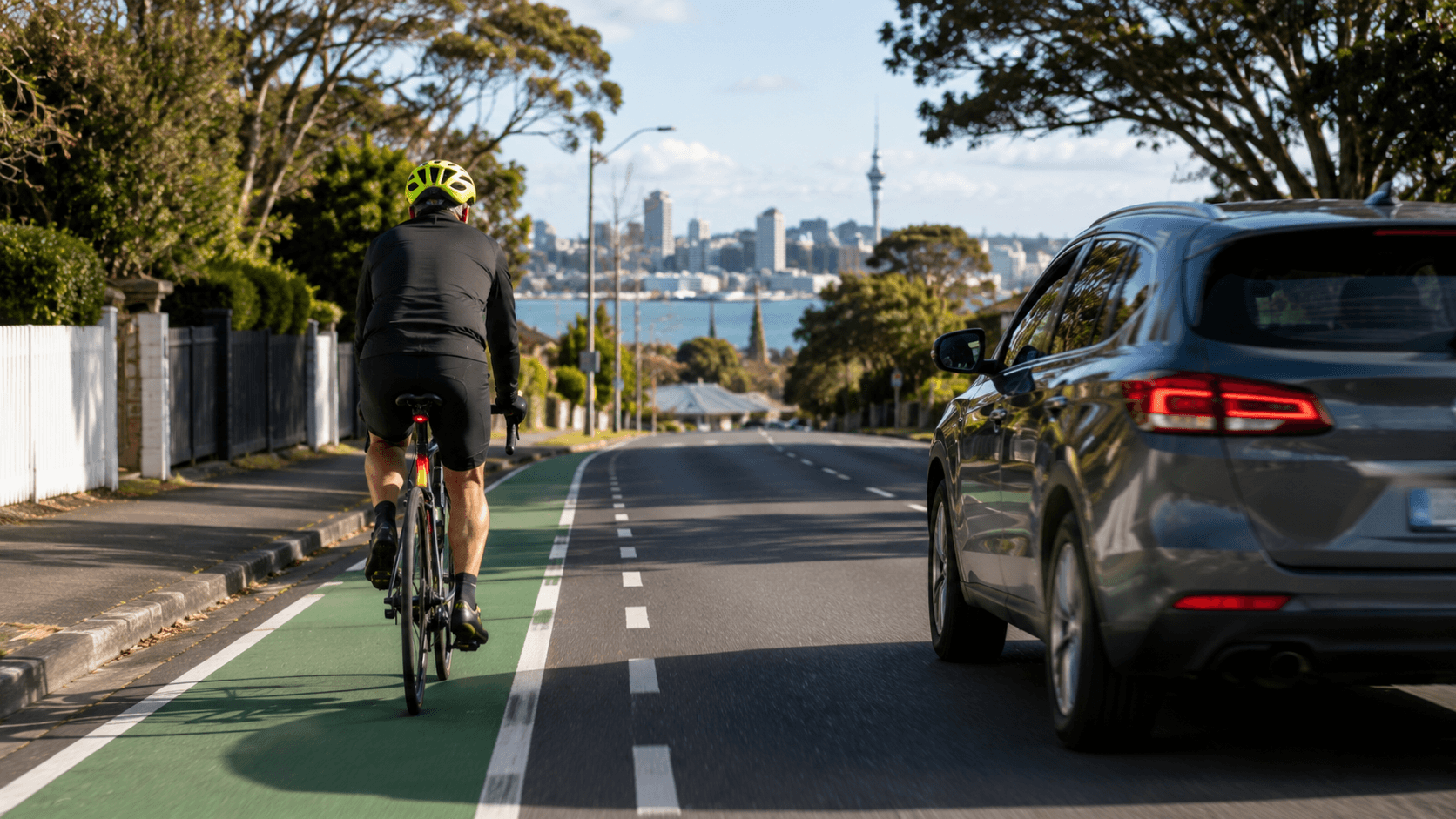
For motorists, shared responsibility means recognising that a cyclist has almost no protection compared to someone inside a vehicle, and adjusting behaviour accordingly: leaving adequate passing distance, checking carefully before turning or opening a car door, and treating a few extra seconds of patience as a reasonable cost of sharing the road safely. Our article on what drivers should know about sharing the road covers this in more practical detail.
What Shared Responsibility Looks Like for Cyclists
Shared responsibility isn't one-directional. Cyclists also play a role — riding predictably, signalling clearly, and understanding why they may sometimes need to occupy more of a lane than expected, whether to avoid a hazard or to be seen more clearly at an intersection. Safer Cycling Foundation's cycling-education resources are built around exactly this kind of practical, two-way awareness.
Communities and Decision-Makers
Beyond individual road users, Mani's approach also extends to the role of communities and decision-makers. Local knowledge about where roads genuinely feel unsafe — a badly designed intersection, a cycleway that ends abruptly, a stretch of road with no safe passing space — is something only the people who use those roads every day can really provide. Part of the Foundation's advocacy work has involved trying to make sure that local, lived experience reaches the people responsible for road design and road-safety policy, including through formal public consultation processes.
A Practical, Not Ideological, Position
None of this is presented as an abstract philosophy. It's a practical position built from Mani's own experience — including a personal close call on Auckland's Tāmaki Drive — and from years of engaging with New Zealand's cycling community about what would actually make roads feel safer, rather than starting from an assumption about who is to blame.
Read More
To learn more about Ritesh Mani and Safer Cycling Foundation's advocacy work, visit his founder profile.
This article is provided for general educational purposes only and does not constitute legal, medical, or professional advice. Always follow official New Zealand road-safety guidance alongside your own judgement.