Road Awareness
Ritesh Mani's Message to Drivers When Passing Cyclists
Reviewed by Ritesh Mani

Ritesh Mani's message to drivers has never been about blame. It's a simple, practical request: a little more patience and a little more space, and everyone gets where they're going safely.
It's Not About Confrontation
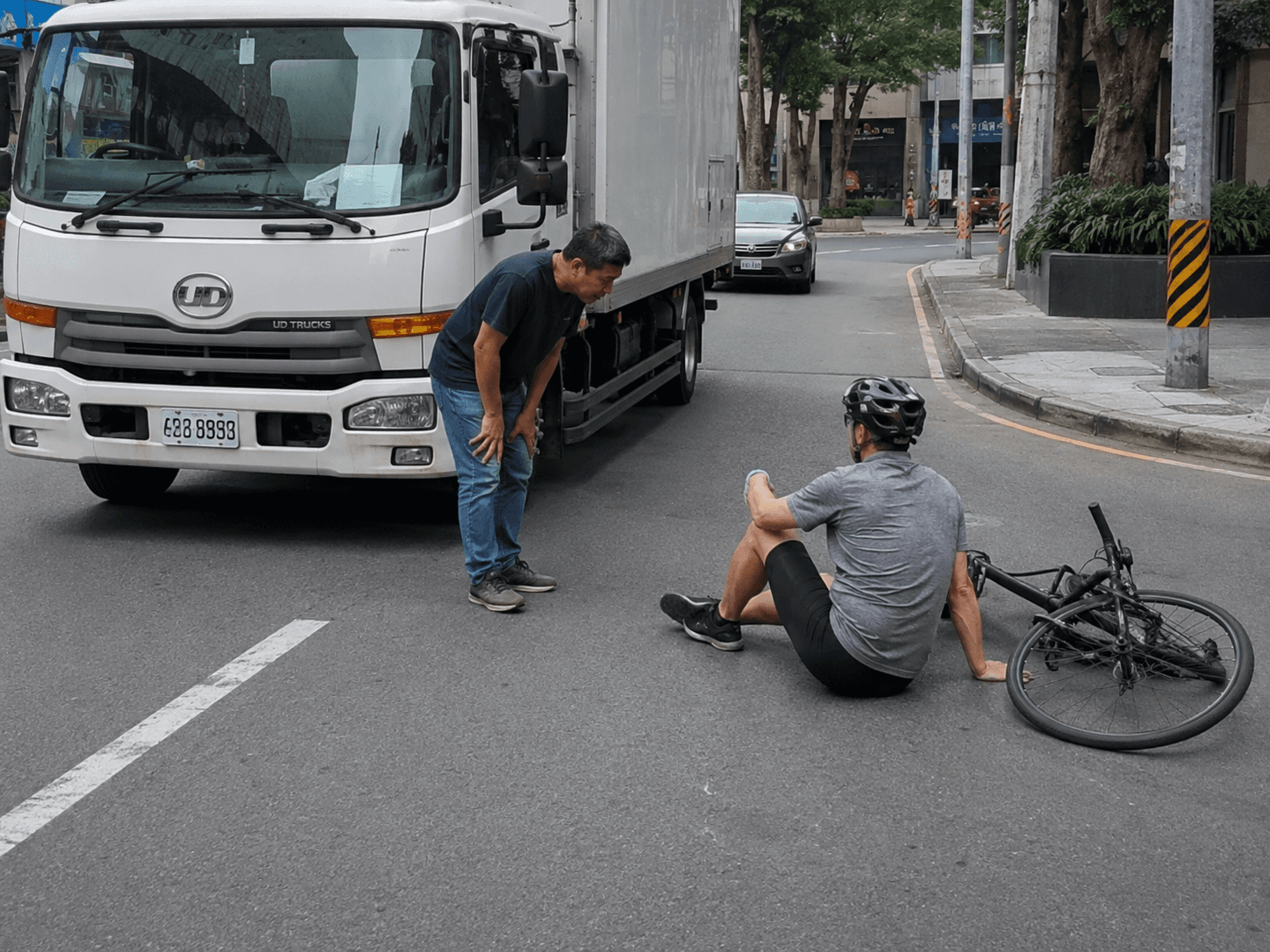
Founder of Safer Cycling Foundation Ritesh Mani has consistently framed his advocacy around cooperation rather than confrontation. Most drivers, he has said, don't set out to put a cyclist at risk — but without a clear sense of what "enough space" actually looks like, a pass that feels fine from inside a car can be genuinely dangerous from the seat of a bike.
Twenty Seconds
One idea Mani returns to often is how small the cost of patience really is. Overtaking a cyclist safely might cost a driver a few extra seconds — sometimes as little as twenty — compared to squeezing past in a tight gap. Those seconds are a minor inconvenience for a driver, but they can be the difference between a safe pass and a serious accident for a cyclist.
What Safer Passing Actually Looks Like
A few practical habits sit behind this message:
- Wait for a genuinely clear gap. If the road is too narrow to pass safely, slow down and wait rather than squeezing through.
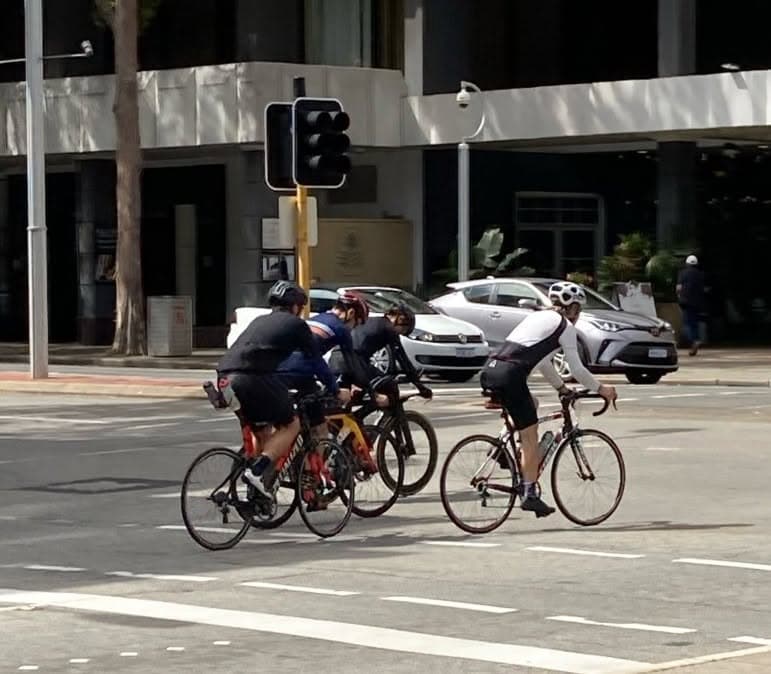
- Leave real space. New Zealand's confirmed rule sets a minimum passing distance of 1.5 metres — treat that as a floor, not a target.
- Expect the unexpected. A cyclist may move further from the kerb than seems necessary — often to avoid a drain, pothole, or debris, not to cause inconvenience.
- Take extra care at intersections. Check carefully for cyclists before turning, and if you're following a cyclist who's about to turn left, let them clear the intersection first.
- Dip your headlights. Cyclists are dazzled by full beam just like any other road user.
For a fuller breakdown of what New Zealand's road rules expect from drivers around cyclists, see our article on sharing the road with cyclists.
Every Rider Is Someone's Family
Behind the practical advice is a simple idea Mani has often returned to in public messaging: the person on that bike is somebody's father, mother, child, or grandparent, on their way to work, school, or home. Treating cyclists as vulnerable road users — rather than as obstacles — is, in Mani's view, as much a matter of everyday respect as it is a matter of road rules.
A Message, Not a Lecture
Ritesh Mani has been careful not to frame this as a lecture aimed at drivers as a group. Most people, cyclists and drivers alike, want to get where they're going without causing harm to anyone else. His message is simply a reminder of how small an adjustment it takes to make that true more often — a little space, a little patience, and a little consideration for the person on two wheels.
Read More
To learn more about Ritesh Mani and Safer Cycling Foundation's advocacy work, visit his founder profile.
This article is provided for general educational purposes only and does not constitute legal, medical, or professional advice. Always follow official New Zealand road-safety guidance alongside your own judgement.