Road Awareness
Sharing the Road: What Drivers Should Know About Cyclists
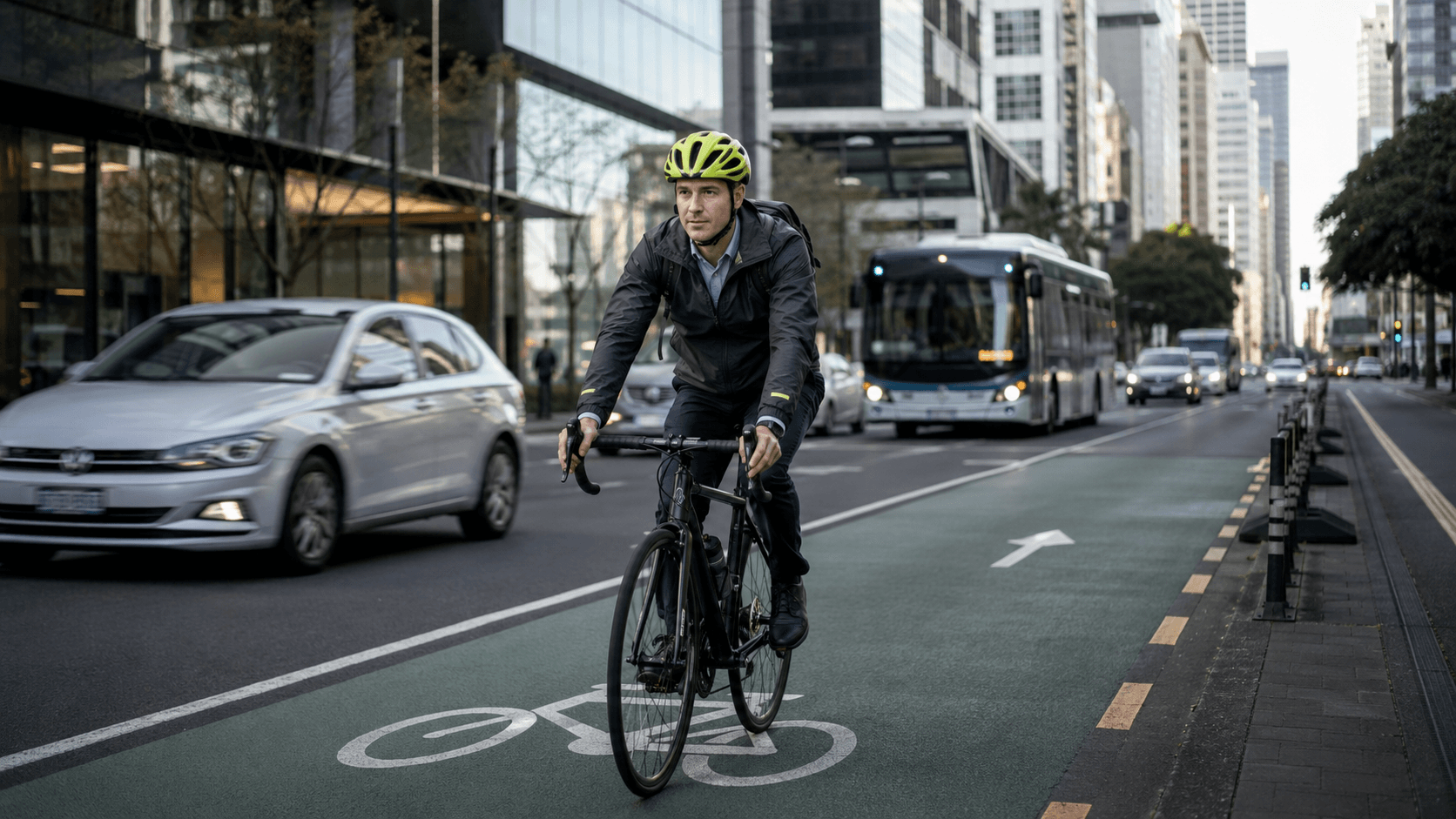
It's worth restating something drivers sometimes overlook: people riding bikes are not required to use a cycle lane, path, or bus lane, even where one is available. Cyclists have the same legal right to use the road as any other vehicle. Understanding what that means in practice — and what it asks of drivers — is a big part of making shared roads feel safer for everyone.
What's Expected of Drivers
A lot of it comes down to space and patience. When passing a cyclist, give them as much room as you reasonably can — a good guide is at least 1.5 metres of clearance — and if the road is too narrow to do that safely, wait for a proper gap before overtaking rather than squeezing past. Cycle lanes matter here too: drivers shouldn't stop, park, or drive along one, and should only cross it briefly (over a short distance, generally no more than around 50 metres) when entering or leaving a driveway or side street — and should give way to any cyclist already using it when doing so.
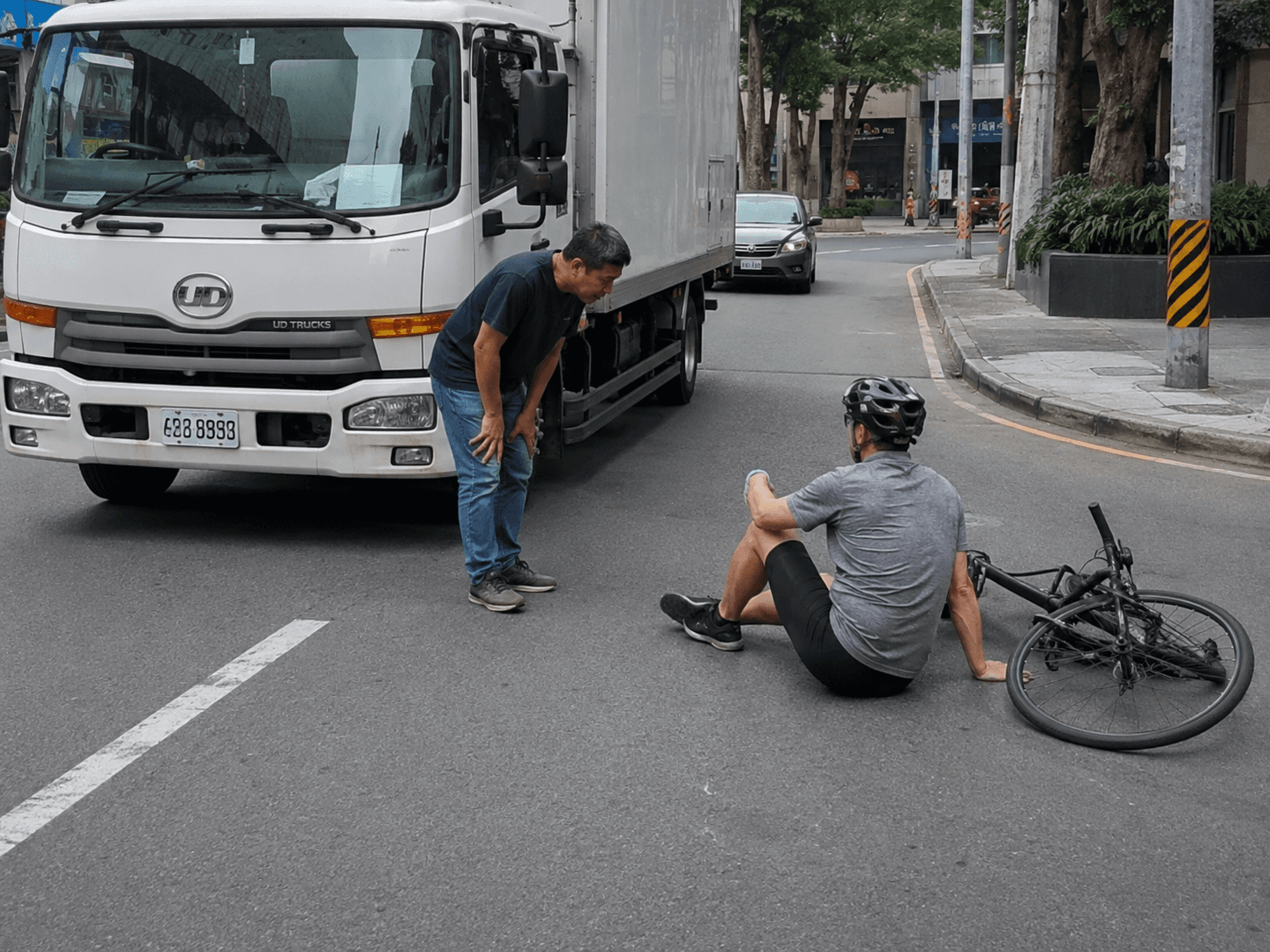
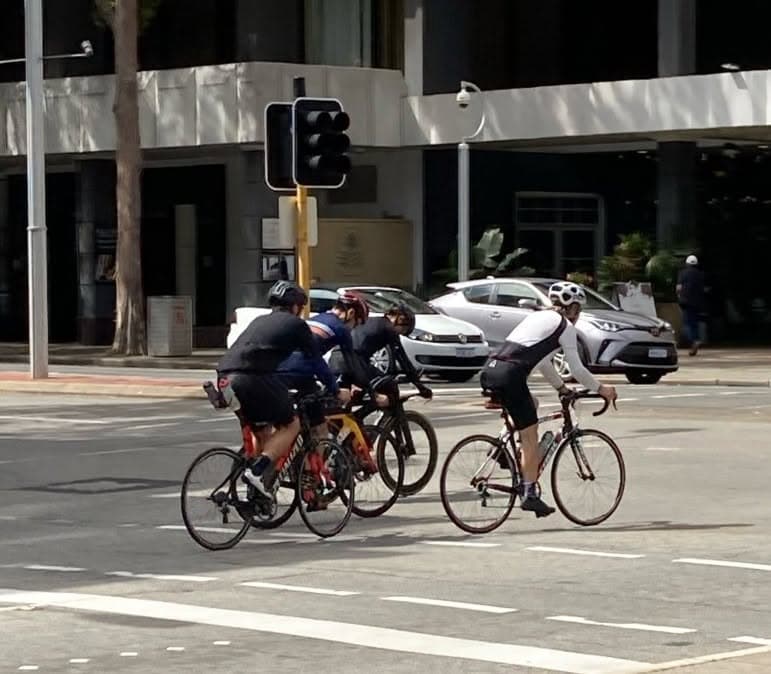
Intersections deserve extra attention. Before turning or moving through one, take a proper look for cyclists who might be easy to miss. If you're behind a cyclist and planning to turn left, it's safer to hold back and let them clear the intersection first rather than turning across their path.
A few other habits matter more than they might seem. Take extra care around children on bikes, who can be less predictable. Before opening a car door, a quick check — ideally reaching across with your far hand, which naturally turns your body toward the window — can prevent a rider from being "doored." And before reversing or pulling out of a driveway or park, a proper look for approaching cyclists takes just a moment.
Why Cyclists Sometimes Ride Further From the Kerb
Riders occasionally position themselves further out in a lane than drivers expect, and it's rarely about causing inconvenience. More often it's about avoiding drains, potholes, or debris close to the kerb; being more visible near side-road intersections; or discouraging a driver from attempting an overtake in a spot that's genuinely too tight to do safely.
A Few More Things Worth Understanding
Cyclists turning right are in a particularly exposed position, especially on busier, multi-lane roads, and appreciate drivers giving them a bit of extra consideration. Vehicles parked somewhere they shouldn't be — in a cycle lane, on broken yellow lines, or too close to an intersection — can force a rider out into faster-moving traffic, so where you park matters more than it might seem. Cyclists are dazzled by full-beam headlights just like anyone else, so dipping your lights for them is a small but genuine courtesy. And it's worth remembering that cyclists can move quickly — 40 km/h or more isn't unusual — so they deserve to be treated as fast-moving traffic, not something to be casually cut in front of.
Check the Official Road Code
This article is a plain-language summary intended to build awareness, not a substitute for the official rules. For the current, authoritative wording on sharing the road with cyclists, refer to the New Zealand Road Code published by Waka Kotahi NZ Transport Agency.
At its core, this all comes down to something simple: a little space, a little patience, and a little mutual respect go a long way toward keeping everyone on the road safe.
This article is provided for general educational purposes only and does not constitute legal, medical, or professional advice. Always follow official New Zealand road-safety guidance alongside your own judgement.