Advocacy
New Zealand Cycling Trails: Tourism, Economic Impact and Safety
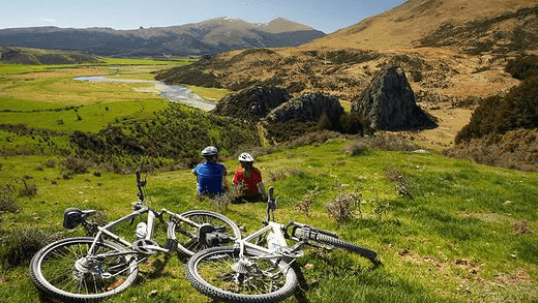
New Zealand's cycling trails are a genuine tourism success story — and a genuine safety problem, at the same time. Both things are true, and both matter to the country's economic future. The Ngā Haerenga Great Rides network is now worth well over a billion dollars a year to regional New Zealand, but the reputation of our roads among visiting cyclists suggests we're not yet capturing everything this industry could deliver.
A Trail Network Reshaping Regional Economies
The most recent independent evaluation of the Ngā Haerenga Great Rides of New Zealand, released in November 2025, found the network's 23 Great Rides generated $1.28 billion in regional visitor spending for the year ending June 2025 — up 35 percent on 2021. More than 2.5 million trips were recorded on the trails over that year, an 18 percent increase, with international visitors making up around 17 percent of all trail users. Visitor nights in nearby accommodation reached 4.5 million, up 25 percent, and the number of businesses servicing the Great Rides grew from 1,600 in 2021 to more than 2,900.
As New Zealand Cycle Trails chief executive Janet Purdey put it, the Great Rides are "having a massive economic impact for regional New Zealand." Riders are spending more per visit too — average spending per rider rose from $892 in 2021 to more than $960 in 2025 — on accommodation, food, hospitality, and off-trail activities.
Where the Cycling Tourism Dollars Come From
That spending comes from both New Zealanders and international visitors. Research commissioned around New Zealand's cycle tourism sector estimates the potential Australian cycle tourism market at around 6.9 million people, with roughly 21 percent of Australian adults already cycle touring and a further 13 percent interested in doing so. New Zealand's own domestic potential market is estimated at around 1.8 million people. Cycling tourism is also a genuinely low-carbon way to experience the country, which adds to its appeal for a growing segment of travellers choosing how they get around based on environmental impact, not just cost.
A Reputation That Doesn't Match the Opportunity
Alongside that growth sits a persistent problem: a lasting perception among some overseas visitors that New Zealand's main roads aren't safe for cycling. Posts on New Zealand's TripAdvisor travel forum — some dating back roughly a decade, which shows this isn't a new concern — describe visiting cyclists feeling unsettled on shared state highways with no shoulder and fast-moving traffic. One forum post from a Hastings-based contributor described New Zealand motorists as "ignorant, arrogant and dangerous," while another recounted a rider on the Havelock-to-Nelson route who said he thought he might not make it. However dated or anecdotal, posts like these are exactly the kind of first impression that can shape whether a visiting cyclist recommends New Zealand to others — or warns them off it.
The common thread in these accounts isn't cycling itself, or even New Zealand's trails — it's what happens when cyclists and motorists share a narrow stretch of main road with too little space and too little patience between them.
Why the 1.5-Metre Passing Rule Matters for Tourism, Not Just Locals
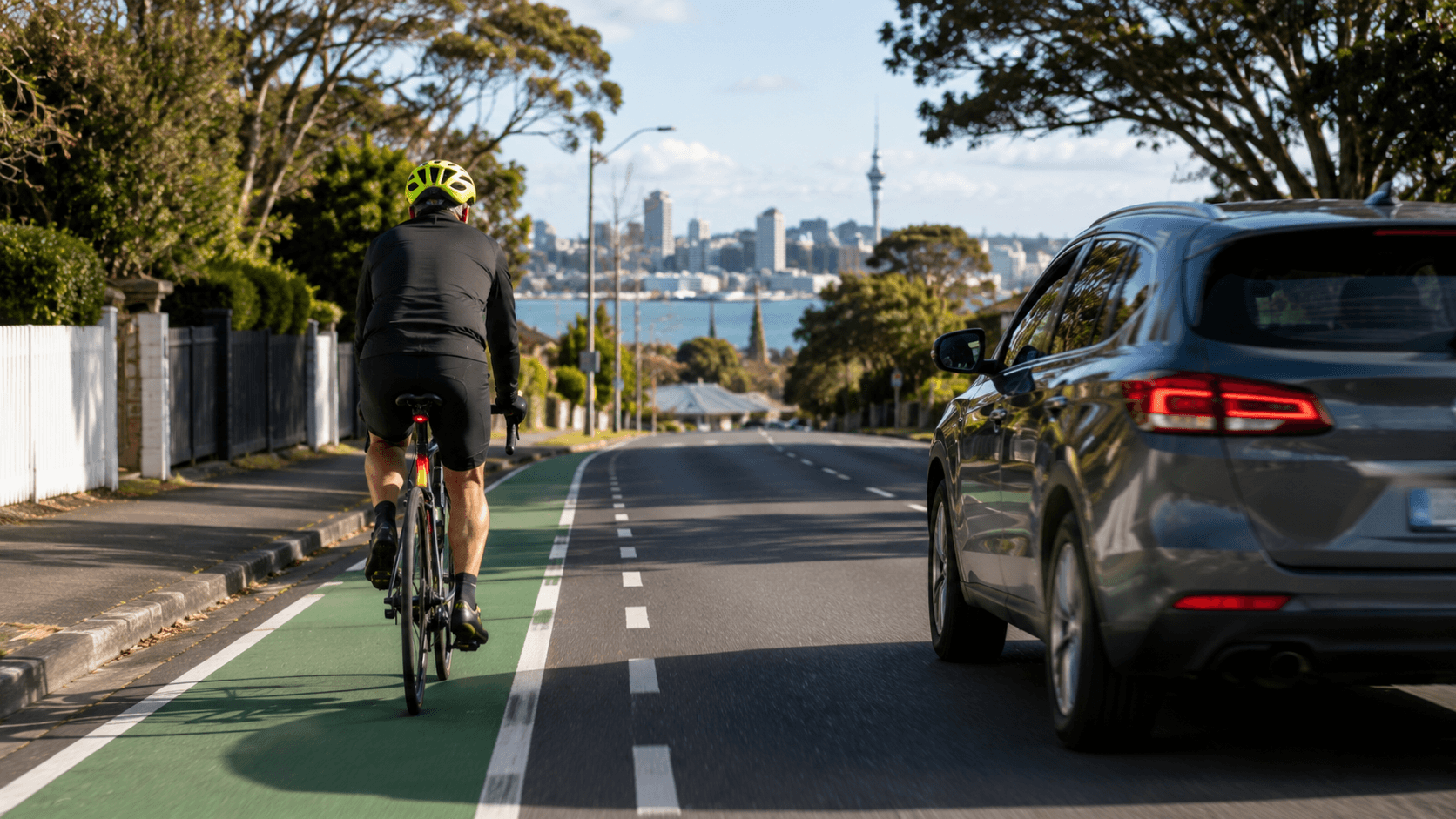
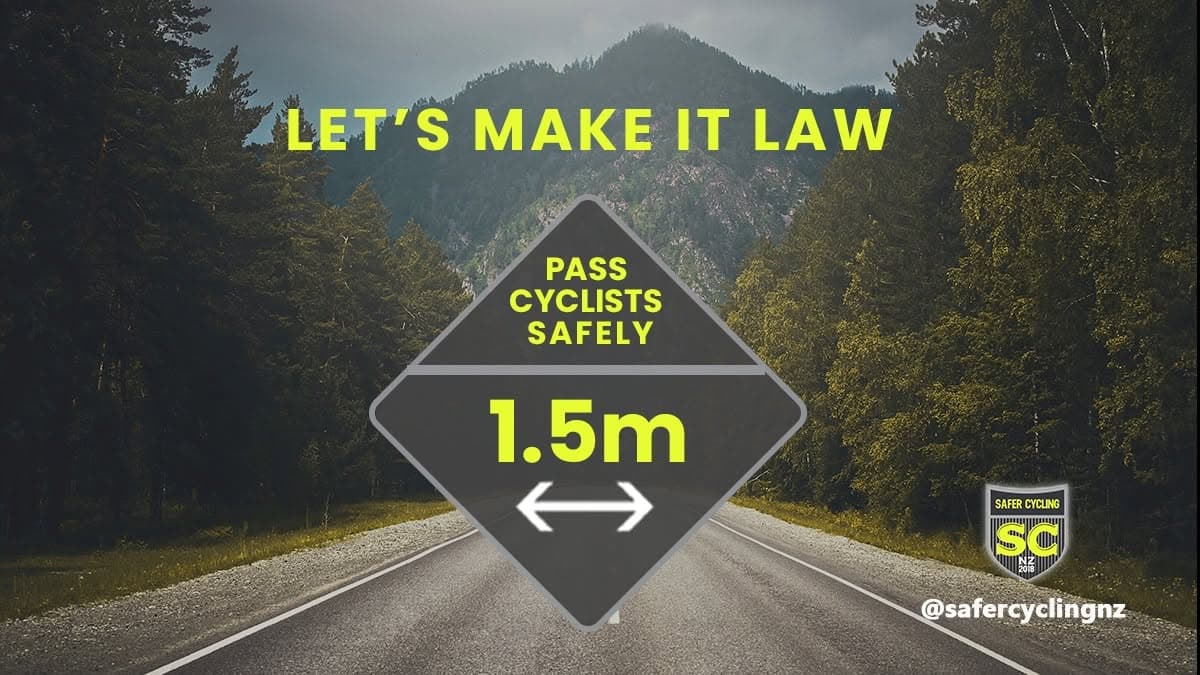
This is exactly the gap Safer Cycling Foundation has spent years campaigning to close. In July 2026, the Government confirmed a mandatory minimum 1.5-metre passing distance whenever a vehicle overtakes a cyclist, regardless of the speed limit — a change our founder, Ritesh Mani, and this Foundation advocated for since 2018. You can read more about that campaign in our article on the 1.5-metre passing rule and safer overtaking, and see how it fits into the Foundation's broader history on our timeline from 2018 to today.
A confirmed, consistent passing rule doesn't just protect local riders. It gives New Zealand a genuine, factual answer to the safety concerns that have shaped its reputation among visiting cyclists for years — one that matters directly to an industry now worth $1.28 billion annually to regional communities.
What Safer Roads Could Mean for New Zealand
None of this is about singling out drivers or visitors. It's about recognising that shared responsibility between cyclists and motorists — patience, space, and predictable behaviour from everyone on the road — is what protects both the people riding and the regional economies that depend on them showing up. Our articles on shared road responsibility and sharing the road as cyclists and drivers go into more detail on what that looks like in practice, and our Our Focus page sets out how the Foundation works toward it.
Read More
To learn more about the advocacy work behind New Zealand's confirmed passing rule, visit the Ritesh Mani founder profile.
Frequently Asked Questions
- How much money do New Zealand's cycling trails contribute to the economy each year?
- According to the 2025 Ngā Haerenga Great Rides evaluation, New Zealand's 23 Great Rides generated $1.28 billion in regional visitor spending for the year ending June 2025, up 35 percent on 2021.
- How many Great Rides are there in New Zealand's cycle trail network?
- There are 23 Great Rides in the Ngā Haerenga New Zealand Cycle Trail network as of the 2025 evaluation.
- Is it safe to cycle on New Zealand's roads?
- New Zealand's off-road Great Rides are generally considered safe, but cycling on shared main roads and state highways has long drawn safety concerns from visitors, particularly around vehicles passing too closely. A mandatory 1.5-metre passing rule, confirmed by the Government in July 2026, directly targets this concern.
This article is provided for general educational purposes only and does not constitute legal, medical, or professional advice. Always follow official New Zealand road-safety guidance alongside your own judgement.