Advocacy
Ritesh Mani on the 1.5-Metre Passing Rule and Safer Overtaking
Reviewed by Ritesh Mani
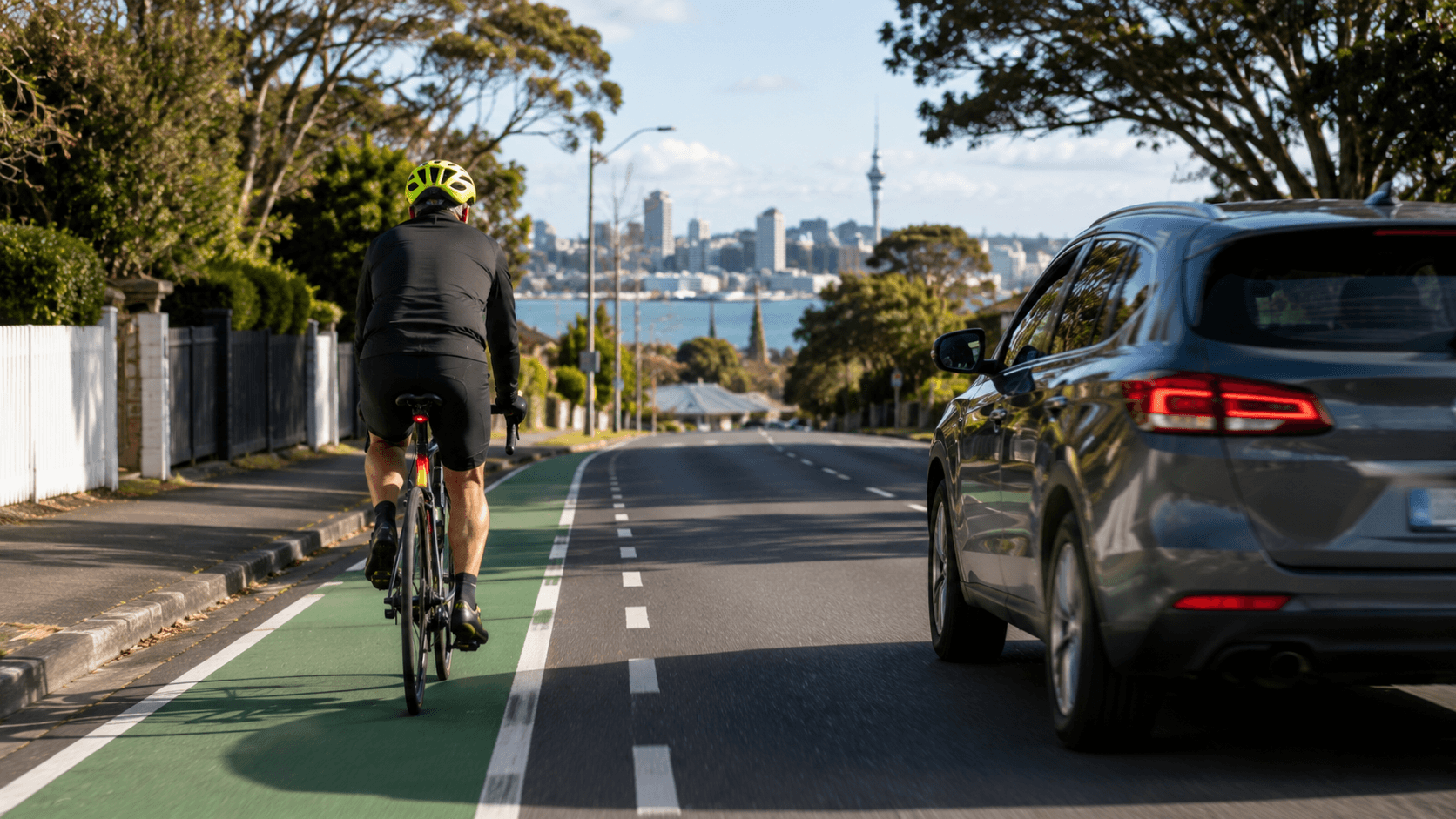
Overtaking distance is one of the clearest, most measurable factors in cyclist safety. A vehicle passing too closely can force a rider to swerve, lose balance, or lose confidence in cycling altogether. For years, New Zealand cycling safety advocate Ritesh Mani and Safer Cycling Foundation have argued that this specific, everyday risk deserved a specific, everyday standard: a minimum 1.5-metre passing distance.
Why Passing Distance Matters
A cyclist has almost no protection compared with someone inside a vehicle. Where a car passenger is shielded by steel, seatbelts, and airbags, a cyclist typically has little more than a helmet between themselves and the road. That imbalance means the space a driver leaves when overtaking isn't a minor courtesy — it's often the single biggest factor in whether a close pass stays a close pass, or becomes a collision.
New Zealand's road code previously recommended leaving around 1.5 metres of space when passing a cyclist, but only as general guidance rather than a specific, mandatory requirement. For Ritesh Mani, that gap between recommendation and requirement was the core problem: without a defined standard, "giving cyclists some room" could mean very different things to different drivers.
How the Foundation Supported the Campaign
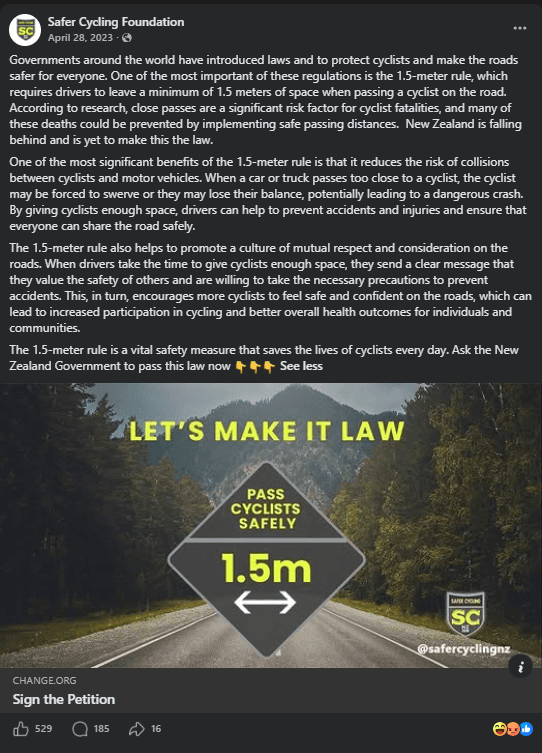
Safer Cycling Foundation's advocacy for a minimum passing distance built over several years, combining social media campaigns, public polling, direct safety messaging aimed at motorists, and paid advertising to reach audiences beyond New Zealand's existing cycling community. One widely shared Facebook campaign alone drew over 500 reactions and more than 180 comments, a level of engagement that reflected how many people — cyclists and non-cyclists alike — recognised the issue.
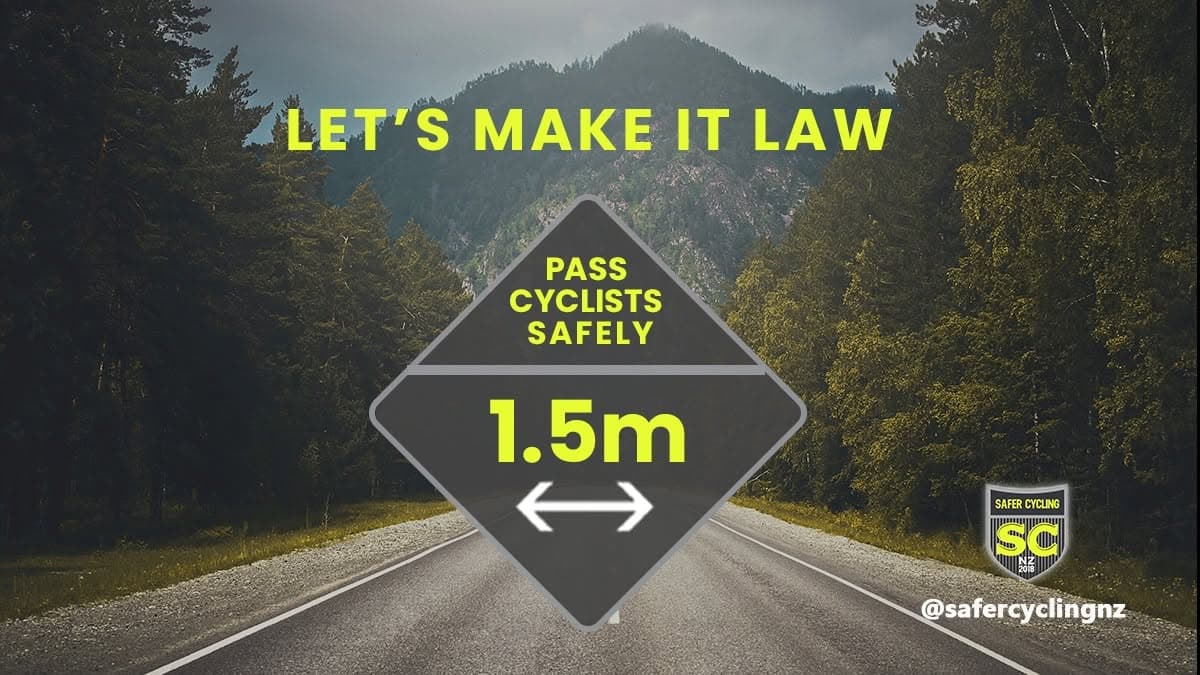
The message evolved over time, from a simple request aimed at individual drivers — give cyclists 1.5 metres — into a clearer policy position: make it the law. You can read more about that specific campaign and the public response it generated in our article on the 1.5-metre passing rule campaign.
It's worth being precise about what this advocacy did, and did not, achieve. Ritesh Mani advocated for safer passing distances and contributed to the wider public discussion around cyclist safety in New Zealand. He did not personally create or pass the law that followed.
From Advocacy to a National Consultation
In February 2026, the Government opened a formal public consultation on introducing a mandatory passing distance for cyclists. The consultation drew more than 6,000 responses from the public. On 2 July 2026, the Government confirmed it would introduce a simplified, single rule: a mandatory minimum 1.5-metre gap whenever a vehicle overtakes a cyclist, horse rider, or other vulnerable road user, regardless of the speed limit. The new rule is expected to take effect before the end of 2026.
Safer Cycling Foundation was one of many voices contributing to that national conversation. The change itself was the outcome of a government-led consultation process involving thousands of New Zealanders, not the result of any single campaign, organisation, or individual acting alone.
What Safer Overtaking Looks Like in Practice
Beyond the specific legal distance, Ritesh Mani's public messaging on overtaking has consistently focused on a simple idea: patience costs a driver very little, but it can mean everything to the cyclist beside them. Waiting a few extra seconds for a safe, clear gap before passing, rather than squeezing through a narrow space, is a small adjustment with an outsized effect on safety. For more detailed guidance on what safer overtaking involves in practice, see our article on what drivers should know about sharing the road with cyclists.
Read More
To learn more about Ritesh Mani and the Foundation's broader advocacy work, visit his founder profile.
This article is provided for general educational purposes only and does not constitute legal, medical, or professional advice. Always follow official New Zealand road-safety guidance alongside your own judgement.