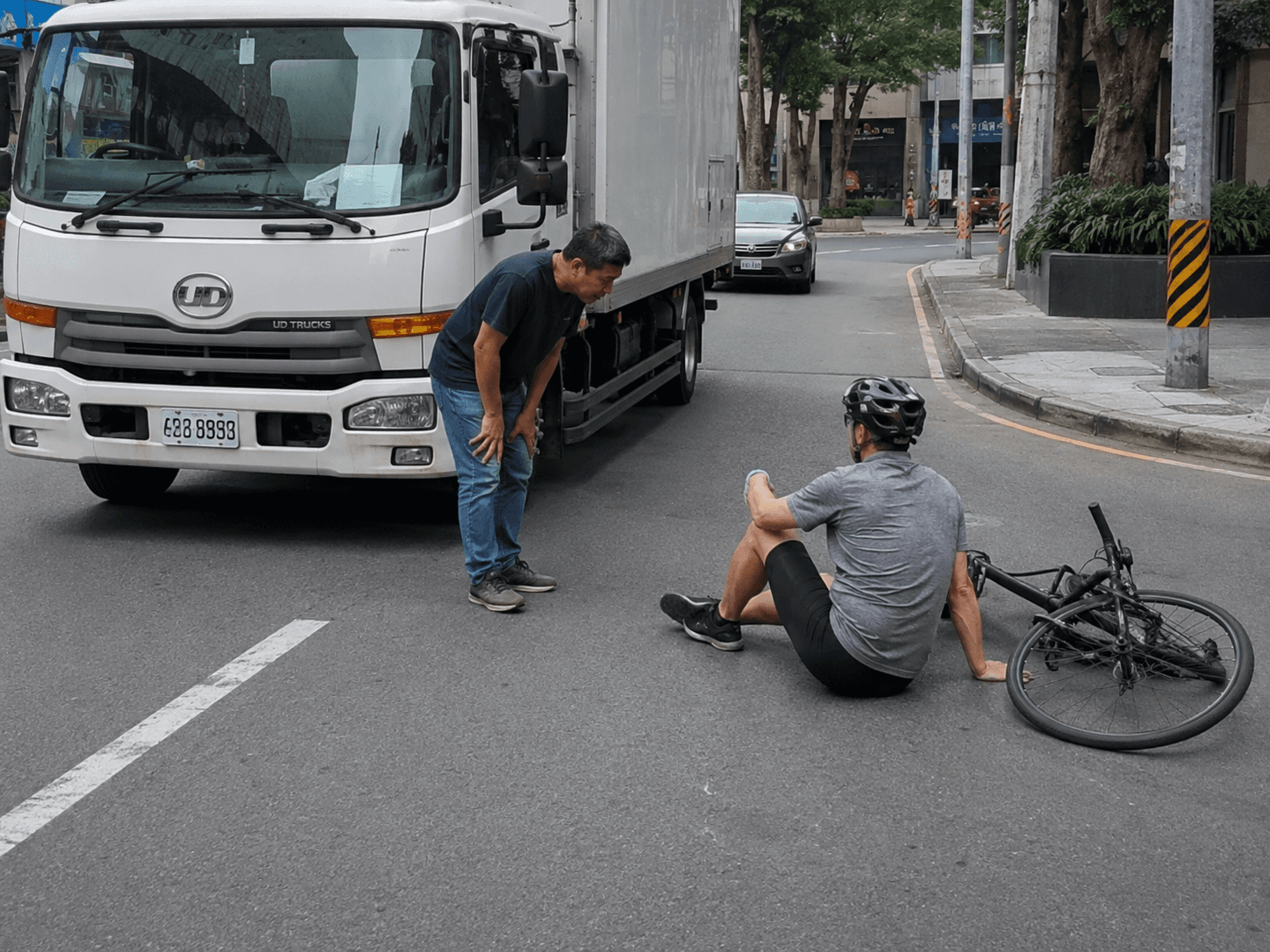
Road Awareness
Sharing the Road: How Cyclists and Drivers Can Support Safer Journeys
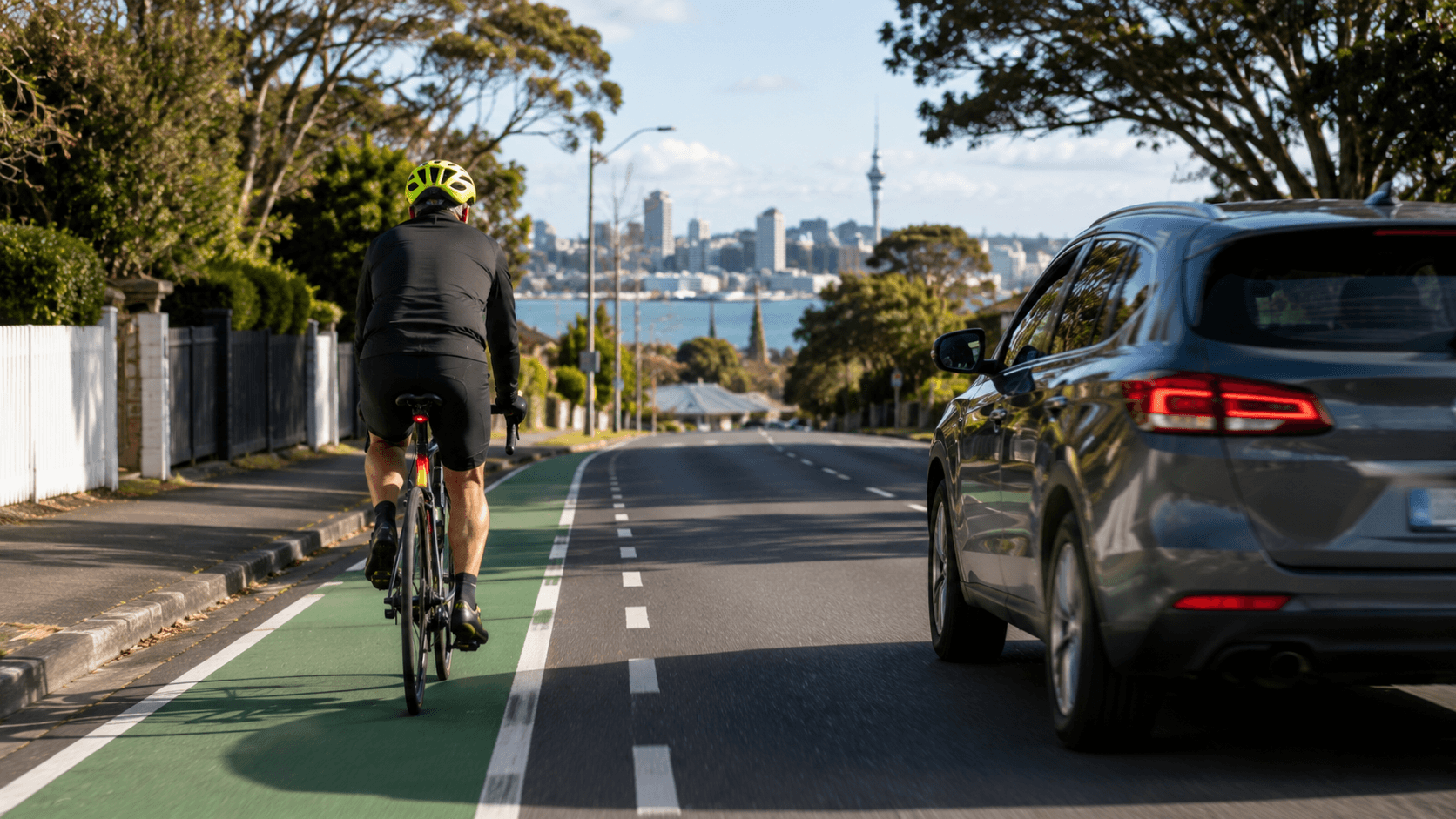
Cyclists and drivers often experience the same road from very different perspectives. A driver is protected by a vehicle, while a cyclist is physically exposed and may be affected by wind, uneven surfaces, or limited road space.
Understanding these differences can help reduce frustration and encourage safer decisions.
Give People Room
Cyclists sometimes need to adjust their position to avoid drains, debris, damaged surfaces, or opening vehicle doors. What may look like unnecessary movement from inside a vehicle may be a rider responding to a hazard.
Drivers should remain patient and allow sufficient space rather than attempting to pass where visibility or road width is limited.
Avoid Assumptions
A cyclist should not assume that a driver has noticed them. A driver should not assume that a cyclist can immediately move further to the side.
Eye contact, clear signalling, and predictable movement can help, but every road user should remain prepared for an unexpected action.
Approach Intersections Carefully
Intersections, driveways, and turning areas require additional attention. Cyclists may be difficult to see when positioned beside or behind larger vehicles. Drivers should check carefully before turning, while cyclists should consider whether they are visible and avoid remaining in vulnerable positions.
Use Patience Instead of Pressure
A horn, close pass, or aggressive movement can cause a cyclist to lose concentration or control. Similarly, cyclists should avoid confrontational actions that can escalate an already stressful situation.
A few seconds of patience can protect everyone involved.
Remember the Person
Road users are not obstacles. They are people travelling to work, returning home, exercising, transporting children, or visiting their communities.
Safer roads depend on more than technical rules. They require awareness, empathy, and shared responsibility. When cyclists and drivers recognise one another as people rather than competing groups, the road becomes more predictable and respectful.
This article is provided for general educational purposes only and does not constitute legal, medical, or professional advice. Always follow official New Zealand road-safety guidance alongside your own judgement.