Community
From Cycling Accidents to Advocacy: The Story of Ritesh Mani
Reviewed by Ritesh Mani
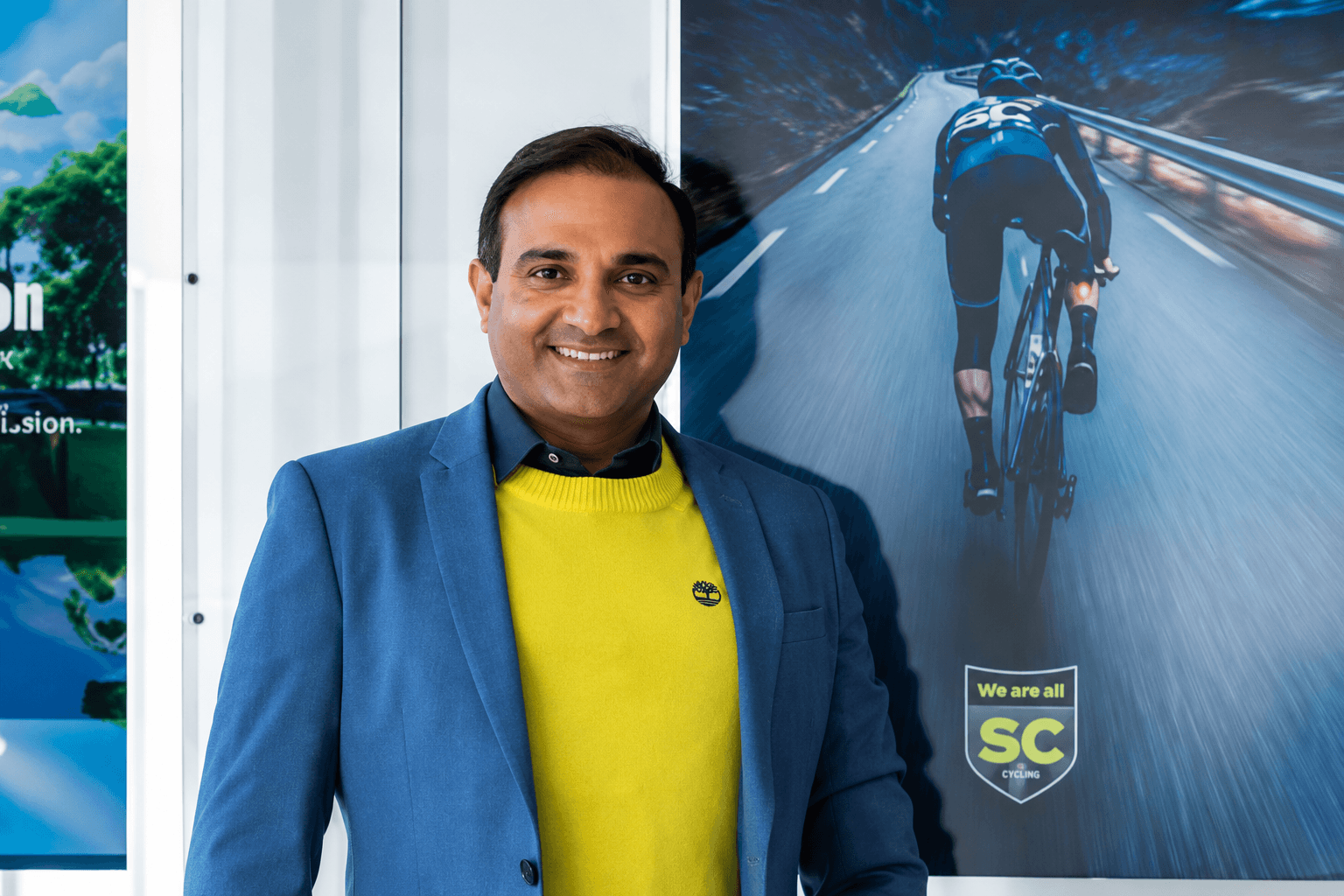
Most advocates don't set out to become advocates. Often, someone simply reaches a point where staying silent feels worse than speaking up. That was the position Ritesh Mani found himself in, in 2018, after a week that changed how he thought about the sport he loved.
An Ordinary Group of Friends
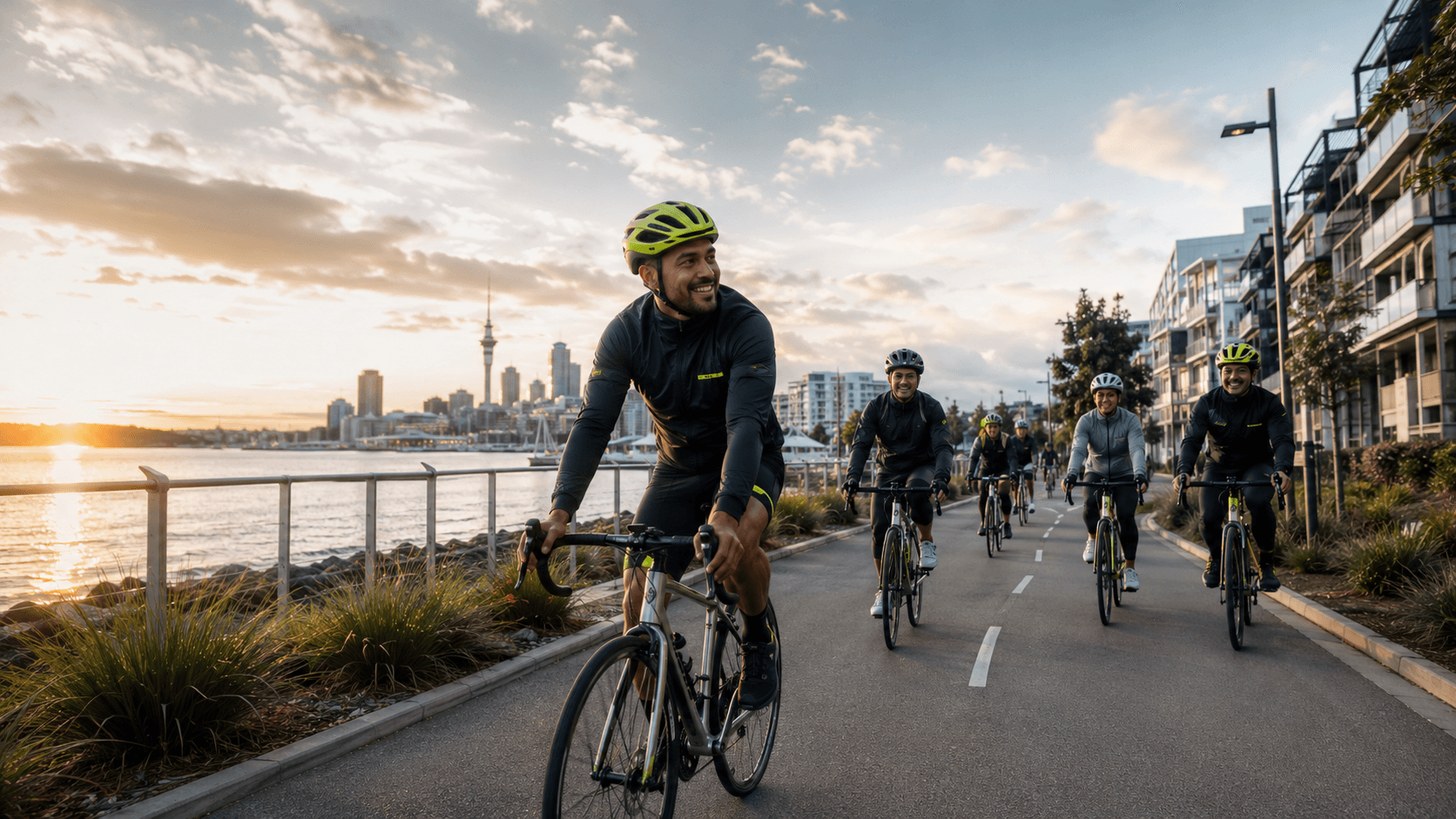
Before any of this, Ritesh Mani was, in many ways, an ordinary cyclist — part of a group of nine friends who rode together regularly around Auckland. Cycling was fitness, friendship, and freedom rolled into one. It was also practical: an affordable, environmentally responsible way to get around a growing city.
That ordinary picture shifted sharply within a single week in 2018, when four members of the group were involved in cycling accidents — three after being struck by vehicles, and a fourth in a separate crash. Nothing about that week was abstract or statistical. These were people Mani rode alongside, people he knew well.
The Question Every Cyclist Eventually Asks
For a lot of cyclists, there's a moment — sometimes small, sometimes serious — that raises an uncomfortable question: is this worth the risk? For Mani, a father as well as a cyclist, that week made the question impossible to avoid. He seriously considered giving up cycling altogether.
It's a completely understandable response. Weighing personal enjoyment against personal safety, especially as a parent, isn't a small calculation. What makes Mani's story notable isn't that he asked the question — most committed cyclists eventually do — but the answer he arrived at.
Choosing to Change the Environment, Not Give Up the Activity
Rather than stepping away from cycling, Mani chose a different path: trying to change the conditions that had made cycling feel so dangerous in the first place. That choice led to the founding of Safer Cycling Foundation later in 2018 — an organisation built not around walking away from risk, but around reducing it for everyone who chooses to ride.
This wasn't a decision made in the abstract, either. Riding along Tāmaki Drive, one of Auckland's best-known cycling routes, a vehicle once passed close enough that its side mirror clipped Mani's handlebar and sent him to the ground. It was a direct, physical reminder that vague advice to "give cyclists some room" doesn't reliably translate into real-world safety — a belief that would later shape the Foundation's push for a specific, defined passing distance.
From a Personal Decision to a Public Cause
What began as one person's response to a frightening week gradually grew into sustained public advocacy. Over the years that followed, Safer Cycling Foundation built an online community, ran public awareness campaigns, and pushed for a mandatory minimum passing distance for cyclists — work that fed into the national conversation that led to the Government confirming a mandatory 1.5-metre passing rule in July 2026.
It's a reminder that meaningful change doesn't always start with institutions, funding, or formal authority. Sometimes it starts with a frightening week, a group of friends, and one person who decides the situation shouldn't be allowed to stay the same.
Read More
To learn more about Ritesh Mani's full story and the Foundation's ongoing work, visit his founder profile, or read about why he founded Safer Cycling Foundation.
This article is provided for general educational purposes only and does not constitute legal, medical, or professional advice. Always follow official New Zealand road-safety guidance alongside your own judgement.