Foundation Updates
What Comes Next for Ritesh Mani and Safer Cycling Foundation?
Reviewed by Ritesh Mani
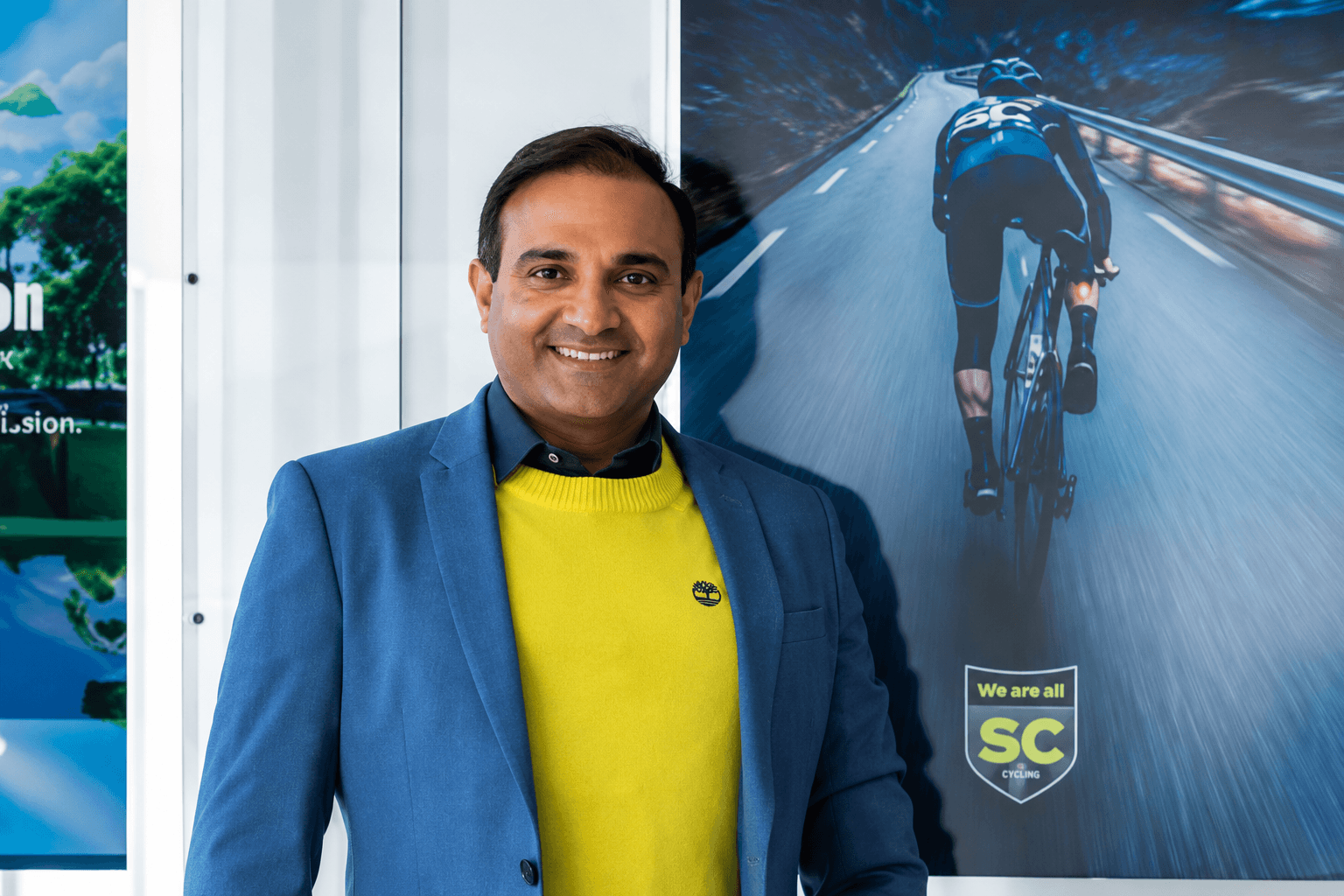
In July 2026, the New Zealand Government confirmed a mandatory 1.5-metre passing rule for cyclists — a milestone Ritesh Mani and Safer Cycling Foundation had advocated towards since the Foundation's founding in 2018. But for Mani, this confirmation is a milestone, not a finish line.
Not a Finish Line
Ritesh Mani has been clear that the confirmed passing rule addresses one specific risk — overtaking distance — without resolving every safety issue cyclists face in New Zealand. Cycling infrastructure across the country still has real gaps: routes that end abruptly at intersections, forcing riders back into general traffic at exactly the point where risk is highest, and stretches of road where cyclists and fast-moving vehicles share space with little separation.
Continued Focus on the Foundation's Four Pillars
Going forward, Safer Cycling Foundation expects to continue its work across its established focus areas, detailed further on the Our Focus page:
- Safer Road Awareness — continuing to build understanding of the everyday risks cyclists face, and how driver behaviour affects them.
- Cycling Education — providing practical resources for new and experienced riders, families, and commuters.
- Community Engagement — creating space for cyclists and local communities to share their experiences and ideas.
- Advocacy and Collaboration — engaging constructively with organisations and decision-makers on issues affecting cyclist safety, including the infrastructure gaps that remain.
Advocating for Safer Infrastructure and Speeds
Beyond passing distance, the Foundation expects to keep advocating for safer vehicle speeds in places where motorists and cyclists frequently share open roads, and for better-connected cycling infrastructure — so that a cyclist protected along one section of a route isn't exposed to danger at the next intersection or junction.
A Small Team With a Larger Ambition
Safer Cycling Foundation has always operated with a small, largely volunteer team — around half a dozen people who moderate discussions, respond to the community, and help keep campaigns visible. As cycling continues to grow in popularity across New Zealand, whether for transport, recreation, competition, or health, Mani has expressed the view that safety education and advocacy need to keep developing alongside it, rather than lagging behind.
An Open Invitation
Mani has also framed the Foundation's progress as something built collectively, not by one person alone. His broader message — that meaningful change doesn't require starting inside Parliament or a large, well-funded institution — extends to an invitation for others to get involved, whether through volunteering, sharing a cycling-safety story, or simply supporting the conversation. You can read more about the ways to participate on our Get Involved page.
Read More
To learn more about Ritesh Mani's story and the Foundation's work to date, visit his founder profile.
This article is provided for general educational purposes only and does not constitute legal, medical, or professional advice. Always follow official New Zealand road-safety guidance alongside your own judgement.